THE MOST FREQUENT INJURIES IN PROFESSIONAL FOOTBALL: BETWEEN PERFORMANCE AND PHYSICAL RISK
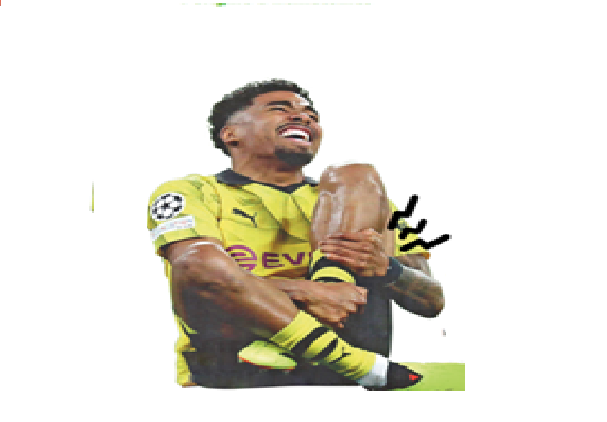
Football is not played
without injuries. Bruises, cramps, strains, sprains, pulled muscles, ligament
injuries, even muscle tears… What are the most frequent injuries on a football
pitch? What are the treatments? And above all, how can we prevent accidents?
Professional football, an endurance and contact sport, exposes players to a
high risk of injury. These injuries affect performance, career longevity, and
the overall health of athletes. This article explores the most common types of
injuries among professional footballers, their causes, the most affected
anatomical areas, and currently recommended prevention strategies.
Football is the most
widely played and publicized sport in the world. At the professional level,
intense competition, the succession of matches, and maximum physical demands
increase the risk of injury. According to FIFA and UEFA data, a professional
player can suffer an average of one to two injuries per season. Understanding
the most frequent types of injuries is essential for preventing them, treating
them effectively, and optimizing player performance.
From simple muscle
soreness to ligament ruptures, football injuries are varied, and their
treatment depends on their nature and severity. Certain actions can help prevent
injuries. Let's take a look.
TYPOLOGY OF INJURIES IN PROFESSIONAL FOOTBALL
What
are the most common injuries in football?
ANKLE SPRAIN, THE MOST COMMON
The ankle is often the
first part of the body affected, due to the numerous changes of direction
required in this sport. Ankle sprains are therefore the most common type of
sprain in soccer, and most often occur on the outside of the ankle. They can
range from mild to severe, depending on whether the injury damages multiple
ligaments.
THE
MOST FREQUENT INJURIES IN PROFESSIONAL FOOTBALL: BETWEEN PERFORMANCE AND
PHYSICAL RISK
TO CRAMPE, LIEE A MUSCLE
EXHAUSTION
A cramp is not an injury
in the strict sense of the word. Occurring suddenly and localized in a muscle,
it corresponds to muscular exhaustion and disappears very quickly with rest,
good hydration, a very gentle massage, and stretching.
A STRAIN, A MINOR INJURY BUT
DISABLING
Muscle strains are not
serious but can still be debilitating. They involve microscopic tears within
the muscle fibers. During exercise, the athlete may experience tension, or even
more or less intense pain. This limits their range of motion. A muscle strain
cannot cause major complications but requires a break of 4 to 10 days.
KNEE INJURIES AND Meniscal
Syndrome
"This is certainly
the most famous injury suffered by footballers," explains the IRBMS. It is
characterized by pain on the inner side of the knee, quickly diagnosed as a
meniscus tear. After a clinical examination and an MRI, "the next step
will be to see a surgeon who will recommend arthroscopy."
PUBALGIA
"Pubalgia is a
painful syndrome located in the pubic area," which can encompass several
pathologies, according to the IRBMS. It is characterized by the onset of
progressive pain located in the lower abdomen, the pubic bone, and sometimes
the adductor muscles. It is quite common among soccer players. A positive
diagnosis relies on ultrasound and MRI.
THE CONTUSION, AT THE ORIGIN OF
HEMATOMAS
For a contusion to occur,
there must be a direct impact to the muscle. It is an injury without a break in
the skin or a tear in the tissues, characterized initially by discoloration
followed by swelling. Often minor, some contusions located on the front of the
thigh cause deep hematomas that can become fixed. Contusions are difficult to
diagnose and can be a long-term disability. From a strain to a muscle tear, a
more serious injury: A strain is a classic injury: the player stops mid-run and
collapses with their hand behind their thigh. This injury is more serious when
the athlete suffers a muscle tear, the advanced stage of a strain. This injury
forces them to stop their activity because the pain is intense and sudden. A
tear can necessitate four to six weeks of rest to prevent a complete muscle
rupture.
RUPTURE OF THE ANTERIOR CRUCIATE LIGAMENT (LCA),
WHAT IS IT?
A rupture of the anterior
cruciate ligament (ACL) of the knee is a fairly common injury in sports like
skiing or soccer that involve knee rotation. It most often results from a
previous injury. The rupture can be partial (affecting only one ligament) or
complete (affecting both ligaments); in the latter case, it is less common and
more complex to treat.
MATERIAL OR EQUIPMENT POORLY
ADAPTED;
Inadequate preparation for
exertion, etc., can lead to injuries of varying severity. These injuries
primarily affect the legs. Most of these injuries are minor; serious damage is
rare. The most frequent accidents are muscular in origin and occur in the
thigh, particularly the hamstring muscles (back of the thigh).
ACHES AND TENSURES Fairly
common pains
Muscle soreness and cramps
are fairly common aches and pains caused by fatigue, resuming training, or at
the end of a match, when players are tired. Then come more serious injuries
depending on the circumstances of their occurrence.
WHAT TO DO IN CASE OF INJURY DURING FOOTBALL? HOW
TO RECOVER QUICKLY?
In the field, the
management of acute injuries in emergency situations is carried out by applying
the "GREC protocol":
·
G such as ice (ice is
applied to the injured area to prevent pain and swelling);
·
R such as rest (the injured
area is immediately put to rest);
·
E such as elevation (the
injured body part is placed elevated relative to the rest of the body);
·
C such as compression
(elastic bandage (strapping) is generally used to compress the injured area in
order to reduce edematous swelling).
Next, consult a specialist
as soon as possible for all these types of injuries to receive appropriate
treatment. Your primary care physician can assist you with this. First, the
severity of your injuries must be accurately diagnosed. Several solutions are
then available: a simple removable splint in the case of a sprain;
immobilization for several weeks; and, in the most serious cases, surgery. In
the vast majority of cases, after the required rest period, proper
rehabilitation should be undertaken. This is an essential step in the healing
and recovery process for the injured muscle.
MOST AFFECTED ANATOMICAL AREAS
Causes of injuries in football
Extrinsic factors
Professional football,
behind its glamour and victories, also hides a darker reality: that of
injuries. While some are inevitable, others stem from external factors related
to playing conditions and the athletes' environment. Among the most frequent
causes is playing consecutive matches without sufficient recovery time.
Physically and mentally
strained, players find their bodies weakened, increasing the risk of muscle
tears or tendinitis. The condition of the pitch also plays a major role.
Uneven, overly hard, or slippery turf can cause sprains, joint injuries, or
even fractures. Added to this are extreme weather conditions—sweltering heat,
high humidity, or heavy rain—which disrupt performance and promote fatigue,
paving the way for injuries.
Finally, football remains
a contact sport: collisions with opponents are part of the game, but they
expose players to sometimes serious injuries, ranging from bruises to
concussions. These factors highlight the crucial importance of prevention,
appropriate physical preparation, and careful scheduling to protect the health
of footballers and extend their careers.
Intrinsic
factors
While the playing
environment plays a major role in the occurrence of injuries, the athlete's own
body can also become a fragile area.
Several intrinsic factors
make footballers more vulnerable to injuries. Among them, muscle imbalances are
common. For example, overly strong quadriceps relative to the hamstrings can
increase the risk of tearing during a sprint or a powerful shot. A history of
poorly or incompletely healed injuries also represents a weakness. A weakened
ankle or a previously injured knee remains vulnerable, especially in a sport
where stress is constant. Muscle fatigue is another invisible enemy. It reduces
reflexes and impairs coordination, making movements less precise and joints
more susceptible to injury.
Finally, a lack of
flexibility limits range of motion and increases stress on muscles and tendons,
thus raising the risk of injury during intense activity. These factors
highlight that prevention relies not only on the playing environment but also
on individual preparation: comprehensive rehabilitation, balanced muscle
training, mobility exercises, and optimal management of training load.
DATA
EPIDEMIOLOGICAL
According to a UEFA Elite
Club Injury Study conducted between 2001 and 2023: 69% of injuries occurred
during training, and 31% during matches. On average, one in three players is
injured at some point during a season. The average recovery time after injury
is 17 to 21 days.
PREVENTION AND SUPPORT
Prevention
Structured warm-up;
targeted muscle strengthening (hamstrings, trunk, adductors); optimization of
training load; adequate hydration and nutrition and personalized biomechanical
analysis.
Treatment
Functional rest and
therapeutic kinesiology follow-up; modern physiotherapy (cryotherapy, shockwave
therapy, PRP) and progressive reconditioning and return-to-play test.
CONSEQUENCES
OF INJURIES ON THE CAREER
Decreased performance;
prolonged absence which may lead to loss of place in the team; psychological
impact (stress, anxiety, depression) and premature retirement in some cases
(recurrent ACL rupture, chronic pubalgia).
Injuries in professional
football are frequent, complex, and potentially debilitating. Prevention relies
on a multidisciplinary approach integrating sports medicine, physical
conditioning, and technology.
Individualized monitoring,
combined with scientifically validated prevention programs, remains the key to
preserving athletes' health and prolonging their careers.
No comments for the moment