DR VINCENT DOSSOU SODJINOU REPRESENTATIVE OF THE WORLD ORGANIZATION HEALTH IN THE REPUBLIC OF CONGO
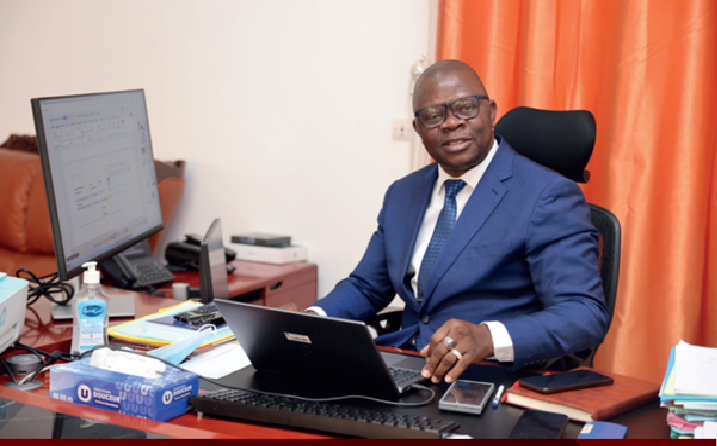
Public health remains one of the
essential pillars of sustainable development and the well-being of populations.
In the Republic of Congo, numerous health challenges remain, ranging from the
fight against communicable diseases to the increasing management of
non-communicable diseases, as well as strengthening health systems and
preparing for health emergencies.
As part of our series on public
health challenges in the Congo, we sought the expertise of Dr. Vincent Dossou
Sodjinou, WHO Representative in the country. In this interview, he shares his
analysis of national health priorities, the progress made in recent years, and
the main challenges to be addressed to sustainably improve access to healthcare
and the health of the population. In a regional context marked by persistent
epidemic threats, particularly Ebola virus disease, this discussion will also
highlight the prevention, surveillance, and response strategies supported by
the WHO to strengthen the resilience of the Congolese health system and better
protect communities.
Interview by Jérôme Batungassana
THE METROPOLIS:
What is your assessment of the current health situation in the Republic of Congo, and what do you consider to be the main challenges facing the health system today?
DR. VINCENT DOSSOU SODJINOUI would like to begin by expressing my gratitude and thanks to your newspaper for this opportunity, as the Resident Representative of the World Health Organization (WHO), to share with your audience our analysis, achievements, and perspectives regarding the health system of the Republic of Congo and the health challenges facing the region. That being said, I can affirm that the current health situation in the Republic of Congo is generally encouraging.
The country has a
hierarchical health system, organized from the bottom to the top of the
national administrative division, and endowed with major advantages.
At the base, there are
integrated health centers, followed by district hospitals, referral hospitals,
general hospitals and, at the top of the health pyramid, the University
Hospital Center (CHU) of Brazzaville, which constitutes the national referral
hospital.
These technical structures
are supported by a coherent administrative organization comprising district
management teams, departmental directorates of healthcare and health services,
departmental directorates of population, and the Ministry of Health and
Population through its various central directorates and specialized programs.
The country also benefits from the significant contribution of private,
faith-based, and military healthcare facilities, which help meet the
population's health needs. In addition, numerous non-governmental organizations
and civil society groups are committed to promoting health and strengthening
healthcare services. Furthermore, the Republic of Congo has a qualified and
dedicated workforce that works daily to improve the well-being of its people.
Health interventions are
implemented in accordance with the six pillars of the health system defined by
the WHO: governance, human resources for health, financing, service delivery,
health products and technologies, and health information. Thus, populations
have access to preventive services, including vaccination, health promotion
activities, basic and specialized curative care, and interventions designed to
prevent and respond to health emergencies.
The health sector also continues to face insufficient funding, with an annual
budget lower than the commitments made under the Abuja Declaration, which
recommends that States allocate at least 15% of their national budget to
health.
However, significant
challenges remain. These can be analyzed through each of the pillars of the
health system. Generally speaking, one can cite the quantitative and
qualitative inadequacy of human resources, as well as their unequal
distribution across the country. The health sector also continues to face
insufficient funding, with an annual budget lower than the commitments made
under the Abuja Declaration, which recommends that states allocate at least 15%
of their national budget to health.
Other challenges relate to
sector governance, particularly in terms of accountability and leadership. Regarding
the provision of care, improvements are still needed in the effective
implementation of primary healthcare, access to services in remote areas,
strengthening the resilience of the health system to crises, and combating the
recurrence of certain epidemics.

The implementation of the CAMU therefore opens up promising prospects so
that financial constraints no longer constitute an obstacle to access to care.
It is important to
emphasize, however, that, building on the many strengths of the health system,
the government and its partners are progressively implementing appropriate
measures to address these challenges. For example, the recent establishment of
the National Health Council and the decentralization of the management of basic
health facilities to local communities represent significant steps toward more
effective governance and greater accountability. In summary, the health
situation in the Republic of Congo is encouraging. Despite persistent
challenges, reforms and concrete actions are underway to sustainably improve
the performance of the health system and ensure better access to care for the
entire population.
THE METROPOLIS: What
significant advances have you observed in the health sector in recent years,
and what are the main health indicators that deserve particular attention
today?
The Congolese health system
has made significant progress in recent years. I will limit myself to three
major achievements. The first is the launch of the Universal Health Insurance
Fund (CAMU). According to various surveys, nearly 42% of healthcare expenses
are borne directly by households, and approximately 19% of them face what we
call catastrophic health expenditures—that is, expenses likely to severely
jeopardize their economic situation. The implementation of CAMU therefore opens
up promising prospects so that financial constraints no longer constitute an
obstacle to accessing healthcare. This reform represents a crucial step toward
achieving universal health coverage, to which Congo, like all WHO member
states, has committed.
The second advance concerns
the strengthening of hospital infrastructure through the construction of
modern, state-of-the-art hospitals. Recent achievements include the new general
hospitals inaugurated last year in Sibiti, in the Lékoumou department, and in
Ouesso, in the Sangha department.
These investments strengthen
an already relatively well-structured hospital network and contribute to
improving the provision of specialized care throughout the national territory.
The third major advance lies
in the revitalization of primary healthcare through various initiatives,
including the operational strategy developed by the WHO and the Mavimpi Ya
Mboté approach implemented by UNICEF. This dynamic aims to strengthen frontline
health structures, particularly integrated health centers (IHCs) and district
health management teams, so that they have the organizational capacity and
resources necessary to provide populations, including those in remote and
isolated areas, with the minimum package of essential health activities.
Regarding health indicators,
the health status of a population is generally assessed through three main
categories: mortality indicators, morbidity indicators, and the determinants of
health. Mortality indicators provide information on life expectancy and the
various causes of death. In this area, several results are encouraging.
According to data from the
World Bank and the WHO, life expectancy at birth in the Republic of Congo has
increased by more than 18 years since independence, rising from approximately
48 years in 1960 to nearly 66 years in 2024.
This improvement has
accelerated particularly since the 2000s, with an estimated gain of nearly 13
years. A significant reduction in maternal mortality has also been observed, as
well as notable progress in reducing neonatal, infant, and child deaths.
Morbidity indicators, on the
other hand, allow us to measure the burden of diseases within the population.
Regarding tuberculosis, the
incidence was estimated at 379 cases per 100,000 inhabitants in 2025, with a
treatment success rate of approximately 85%. Significant efforts are still
needed, however, in the fight against HIV/AIDS, with around 11,000 new
infections reported that same year. Malaria remains the leading cause of
medical consultations and hospitalizations in the country, accounting for
nearly 53% of recorded morbidity.
Finally, the determinants of
health encompass the environmental, social, and economic factors that influence
the health status of populations. In this regard, access to safe drinking water
and sanitation infrastructure remains insufficient, with particularly marked
disparities between urban and rural areas. It should be emphasized, however,
that all health indicators warrant sustained attention.
The country also benefits from the significant contribution of private,
faith-based and military health structures, which help to meet the health needs
of the population.
Although several advances
have been made, current performance still falls short of the targets set by the
Sustainable Development Goals (SDGs), and the trends observed suggest that
achieving them by 2030 remains a major challenge.
Analysis of the burden of
disease, measured through disability-adjusted life years (DALYs), shows that
HIV/AIDS remains the leading cause of loss of healthy life years in Congo.
It is followed by malaria,
respiratory infections, neonatal illnesses, and diarrheal diseases. These
conditions must continue to receive special attention, as must the recurring
epidemics that represent a growing threat to public health. Continued
investment in primary healthcare, prevention, universal health coverage, and
health system resilience will be crucial to accelerating the country's health
progress in the coming years.
What are the main
communicable diseases that concern the WHO in Congo today?
Thank you for this important
question. It should be stated from the outset that Congo is currently facing a
triple health burden: infectious diseases, the progression of non-communicable
diseases, and challenges related to maternal and child health.
In addition, there is the
recurring nature of certain epidemics, particularly measles. Regarding
communicable diseases of concern, the priority diseases I mentioned
earlier—HIV/AIDS, malaria, and tuberculosis—are of course included. However, I
would like to place particular emphasis on neglected tropical diseases, such as
leprosy, Buruli ulcer, and yaws, whose national incidence rates remain above
the thresholds set by the WHO. To date, the Congo has not yet eliminated any of
these neglected tropical diseases, even though the 2030 deadline for
eliminating at least one of them is fast approaching. I therefore wish to
advocate for strengthening strategies for the prevention, surveillance, control,
and elimination of these diseases so that the Republic of the Congo can join
the ranks of countries that have succeeded in eliminating at least one
neglected tropical disease by 2030.
Given the persistent risk of
the spread of Ebola virus disease in the region, what are the main preventive
measures recommended by the WHO to populations and health authorities to limit
the transmission of the virus?
According to various surveys, nearly 42% of healthcare spending is directly
borne by households, and approximately 19% of them face what we call
catastrophic healthcare expenditures.
The ongoing Ebola virus
disease outbreak in the Democratic Republic of Congo and Uganda remains a
serious concern. This concern stems, on the one hand, from the circulating virus,
for which vaccination and treatment options remain limited, and, on the other
hand, from the security situation, which complicates access for health teams to
affected areas and hinders response operations.
However, it is important to
emphasize that the DRC and several other African countries now possess
considerable experience in managing Ebola outbreaks. This expertise is based,
in particular, on the technical guidelines developed by the WHO, which govern
both the response in affected countries and preparedness in countries at risk
of spread. From the outset of the outbreak, the WHO conducted a risk assessment
in neighboring countries and formulated several recommendations. These
recommendations focus primarily on strengthening preparedness and response
through health controls at points of entry, active epidemiological
surveillance, the activation of national coordination mechanisms, and strong
community mobilization.
It is also worth noting that
the WHO is not currently recommending any restrictions on travel or trade based
on the available information. Beyond this epidemic, a broader discussion is
necessary. Africa experiences more than one hundred health emergencies each
year, and the DRC is already facing its seventeenth Ebola outbreak.
Our health systems still too
often operate on a crisis response basis. It is time to build resilient health
systems capable of preventing epidemics, detecting them early, and responding
to them effectively. The lessons learned from the COVID-19 pandemic have shown the
importance of strengthening the continent's health self-sufficiency.
Encouraging progress has been made, notably with initiatives for local vaccine
production in Africa, the creation of the African Medicines Agency, and the
revision of the International Health Regulations to promote more equitable
access to medical countermeasures.
These initiatives deserve
increased political and financial support. Regarding individual prevention
measures, people need to know that Ebola is a serious but preventable disease.
The virus is transmitted through direct contact with blood, bodily fluids, or
contaminated objects, as well as through handling or consuming infected
animals. The most common symptoms are fever, vomiting, diarrhea, muscle pain,
severe fatigue, and, in some cases, bleeding in the later stages of the
disease.
The main preventive measures
recommended by the WHO are as follows: wash your hands regularly with soap and
water or with an alcohol-based hand sanitizer; avoid any contact with a person
who is sick or has died from Ebola; do not handle or consume animals found dead
in the forest; follow the instructions of health authorities during epidemic
alerts; consult a health center immediately or report to the authorities any
person showing symptoms suggestive of the disease.
How is the WHO supporting
countries in the sub-region in strengthening epidemiological surveillance,
community awareness and the preparation of health structures in order to
prevent possible Ebola outbreaks?
At the strategic and political
level, the WHO, in collaboration with Africa CDC, launched the continental
response plan in affected countries and preparedness plans in at-risk
countries. This $518 million plan is currently undergoing political and
resource mobilization. In this regard, a meeting of Heads of State and
Government of the African Union was held on June 16, 2026, with the
participation of the WHO Director-General, Dr. Tedros Adhanom Ghebreyesus.
This meeting secured funding
commitments from African Union member states and their partners, strengthened
African countries' commitment to taking ownership and leading preparedness and
response efforts, and leveraged this emergency to build resilience in health
systems and prevent future outbreaks. In this epidemic, the WHO is mobilizing
partners and working collaboratively with them to provide coordinated support
to countries based on each partner's areas of expertise.
At the operational level,
the WHO provides technical, financial, and logistical support to at-risk
countries in the region to assist them in implementing recommendations and
thereby strengthen their preparedness. For example, to improve the preparedness
of the Republic of Congo, the WHO donated 20 tons of medicines and other
supplies, supported the training of 55 hospital staff on case management and
infection prevention and control, and supported the establishment of health
control mechanisms at borders.
WHO Congo supported the
development of awareness messages broadcast on local television stations and
assisted in the design and production of leaflets and other awareness materials
about the disease. WHO also supports countries in organizing simulation
exercises to test the capacity of health systems to detect and manage the
epidemic.
What progress has been made
in reducing maternal and infant mortality, and what are the main obstacles that
still hinder improvements in the health of mothers and children?
At the continental level,
progress is slow. Maternal mortality in Africa has decreased from 518 deaths per
100,000 live births in 2018 to 442 deaths per 100,000 live births in 2023, more
than double the global rate. Progress in reducing maternal mortality varies
from country to country. In Congo, the downward trend has been more pronounced
since 2020. According to the National Observatory of Maternal, Neonatal and
Infant Deaths (ODMNI), maternal mortality has decreased from 473 maternal
deaths per 100,000 live births in 2020 to 260 deaths per 100,000 live births in
2025; neonatal mortality has decreased from 28 deaths per 100 births to 18
deaths per 1,000 births.
Malaria, for its part, remains the leading cause of consultation and
hospitalization in the country, representing nearly 53% of recorded morbidity.
These improvements are
driven by the national program providing free cesarean sections, free malaria
treatment for pregnant women and children under 15, and the free distribution
of insecticide-treated bed nets to pregnant women and children. The country has
also adopted the partogram, a new WHO guide for monitoring labor and delivery,
which allows for rapid decision-making in cases of difficult labor. The country
is also strengthening the practice of auditing maternal deaths to analyze each
case and learn from it to improve pregnancy and childbirth care.
Despite this progress,
maternal and neonatal health still faces challenges. The adoption of
contraceptive methods remains low, most often due to cultural barriers or
difficulties accessing family planning services. Insufficient access to primary
healthcare and financial constraints limit prenatal care and births attended by
skilled personnel in some areas. At least 78% of maternal deaths are due to
delays in accessing care at healthcare facilities. To address this situation,
the WHO has just launched an obstetric referral project aimed at networking
maternity wards to prevent delays in medical evacuations and care.
How does the WHO support
national vaccination programs? What efforts still need to be made to achieve
optimal vaccination coverage?
In the area of
immunization, WHO provides strategic, technical, and operational support to
national immunization programs to help them achieve the goals set by the 2030
Agenda for Immunization. This support is based on scientific recommendations
and guidance developed by advisory groups of experts and wise individuals, as
well as international technical committees. In the Republic of the Congo, WHO
has notably supported the Government in developing the national immunization
strategy and several technical guidelines. We have also facilitated high-level
policy dialogues and provided technical assistance for the introduction of new
vaccines, including those against cervical cancer caused by human
papillomavirus (HPV) and against Zaire strain Ebola virus disease.
Furthermore, the WHO
continues its commitment to working alongside countries to eradicate polio and
eliminate several vaccine-preventable diseases, including measles. We are
working closely with numerous partners, including the Gavi Alliance, to
strengthen immunization systems and improve the performance of national
programs.
These efforts are beginning
to produce encouraging results. In the Republic of Congo, coverage of the third
dose of the pentavalent vaccine increased from 73% in 2023 to 84% in 2025.
Similarly, poliomyelitis
caused by wild poliovirus has been eradicated in most countries of the African
Region. However, significant challenges remain.
To achieve optimal
vaccination coverage, our countries must ensure the continued availability of
vaccines, strengthen logistical systems, particularly the cold chain, improve
the quality of vaccination data, and intensify communication activities to
combat rumors and misinformation that fuel vaccine hesitancy. It is also
essential to strengthen the implementation of proven strategies such as the
Reaching Every District (RED) approach and The Big Catch-Up initiative, which
aims to catch up with children who missed their vaccinations during the
COVID-19 pandemic.
Finally, states must
progressively increase their contribution to national vaccination funding in
order to ensure the sustainability of achievements and reduce their dependence
on external funding.
Achieving optimal
vaccination coverage depends not only on vaccine availability; it also relies
on public trust, the performance of health systems, and the sustained
commitment of governments to immunization.
Cardiovascular diseases, diabetes and cancers are on the rise in Africa. What is the situation in Congo?
Cardiovascular diseases
(CVDs), diabetes, and cancers are indeed among the leading non-communicable
diseases (NCDs) experiencing a significant increase in Africa. This rise is
explained by contributing factors such as increased life expectancy,
urbanization, lack of physical activity, an unbalanced diet high in fats,
sugar, and salt, as well as tobacco and alcohol consumption. Insufficient
capacity for early diagnosis, management, and treatment also contributes to
this trend.
In Congo, estimates
established by the WHO in 2018 indicate that NCDs are responsible for 35% of
all deaths, including 14% from CVD.
In the first quarter of
2025, nearly 10,000 cases of hypertension and nearly 5,000 cases of diabetes
were reported in integrated health centers. To strengthen the fight against
these NCDs, the WHO is supporting the government in developing national
strategic plans, technical guidelines for care, and the implementation of the
WHOPEN project, which aims to improve NCD management in integrated health
centers. There is also the PEN-plus project for the management of severe NCD
cases in hospitals. The WHO is currently advocating for national surveys to
provide up-to-date data on NCDs. I would like to take this opportunity to
commend the Government's efforts in the fight against NCDs, particularly the ongoing
construction of a radiotherapy department and the strengthening of mechanisms
for combating mental illness.
What awareness strategies
should be strengthened to better prevent chronic diseases within populations,
and what priority investments are needed to improve their management in the
Republic of Congo?
With regard
to health indicators, the health status of a population is generally assessed
through three main categories of indicators: mortality indicators, morbidity
indicators and determinants of health.
The
prevention of chronic diseases must be based on a comprehensive approach,
combining the promotion of healthy lifestyles, early detection, and strong
social mobilization. It is essential to strengthen awareness campaigns on the
main risk factors, including smoking, harmful alcohol consumption, poor diet,
sedentary behavior, and obesity. The public must be better informed about the
importance of regular physical activity, adopting a balanced diet, and
periodically monitoring certain health parameters, such as blood pressure,
blood sugar, and weight. A better understanding of these risk factors allows
for proactive measures, preventing the onset of non-communicable diseases and
reducing their complications, which often have serious consequences for
individuals, families, and the healthcare system. In this context, the media
have an absolutely crucial role to play. They are strategic partners in public
health, capable of disseminating credible, accessible, and targeted prevention
messages to different segments of the population. Through broadcasts, reports,
debates, specialized columns and digital content, they contribute to promoting
health-friendly behaviors, combating misinformation and strengthening citizens'
knowledge.
Strengthening
collaboration between health authorities, healthcare professionals and the
media is therefore a major lever for making prevention a true reflex within
communities.

The WHO
is supporting the Congolese government in this endeavor through several
prevention and health promotion initiatives. Beyond its support for
strengthening the capacity of health services and implementing the Essential
Noncommunicable Diseases Package (ENDP), the WHO in Congo is also developing
innovative community mobilization campaigns, particularly on social media, with
the support of online volunteers.
Initiatives
such as "Health Holidays," HIV awareness campaigns, and the
"28-Day No Smoking Challenge" have reached millions of people,
particularly young people, with prevention messages tailored to their
realities. These experiences demonstrate that digital communication and civic
engagement are powerful tools for preventing chronic diseases, combating
misinformation, and fostering a lasting culture of health within the
population. However, priority investments remain essential to improve the
management of non-communicable diseases (NCDs). I would particularly like to
draw attention to mental health, which remains an underdeveloped area in the
Republic of Congo.
To
date, the country does not have a hospital specializing in the treatment of
psychiatric disorders and other mental health conditions.
The WHO
supported a pilot survey on mental health disorders in the Congo, the results
of which highlighted the importance of strengthening mental health services.
Among the priority recommendations is the construction of a modern psychiatric
hospital capable of providing specialized, high-quality care that respects
patients' rights. This investment is now one of the priorities identified for
improving the management of non-communicable diseases.
Advocacy
efforts are currently underway with technical and financial partners to
mobilize the resources needed to implement this structuring project for the
Congolese health system.
How do you assess the current
state of human health resources in the Republic of Congo, and what are the main
priorities in terms of training and capacity building for healthcare staff?
I would first like to
commend all healthcare professionals for their daily efforts and sacrifices in
service to the Congolese people. This recognition is all the more justified and
necessary given that the density of healthcare personnel in Congo falls below
the standards recommended by the WHO. This already limited workforce is also
unevenly distributed across the country. For example, nearly 77% of doctors are
concentrated in Brazzaville and Pointe-Noire. Training priorities encompass all
medical and paramedical specialties. The number of general practitioners and
specialists, midwives, nurses, biomedical engineers, and other professionals
trained each year by the various universities remains insufficient to enable
Congo to achieve universal health coverage.
Furthermore, certain
specialties are facing a particularly worrying situation, notably psychiatry,
mental health, childcare, and speech therapy, among others, where staffing
levels are very low or even nonexistent. It is therefore important to take
measures to increase the production of human resources in healthcare, both
through local universities and by strengthening South-South cooperation, as is
already the case with Cuba, as well as South-North cooperation.
In a context where health
financing remains a major challenge for many African countries, what solutions
do you recommend and what role can public, private and international
partnerships play in strengthening the Congolese health system?
Since the upheaval in
multilateralism and the cessation of funding for the WHO, as well as for
several other organizations and interventions, by some countries, the WHO has
focused on strengthening mechanisms to improve the predictability of financial
resources and, consequently, to reduce the financial risks the Organization
faces. Following painful measures that led to the separation of a significant number
of human resources, the Organization is increasingly emphasizing local resource
mobilization. In this context, here in the Congo, the WHO is working to
strengthen partnerships with foundations, companies and businesses, NGOs, and
other civil society institutions. We have conducted policy dialogues and
advocacy efforts with various national authorities to secure additional
specific funding for the WHO Country Office in the Congo. We have achieved
positive results with certain foundations, notably the SNPC Foundation, with
which we have signed two draft agreements, as well as with the MTN Foundation,
with which we are organizing, alongside other partners, free healthcare
campaigns for vulnerable groups.
We are awaiting feedback
from other institutions. I am taking this opportunity to appeal to other
organizations to place their trust in the WHO. We are a leading health
organization with proven technical expertise in health matters and established
internal mechanisms and procedures. The WHO is an accountable organization with
functioning accountability mechanisms.
I invite them to join us in
fulfilling their corporate social responsibility to support high-impact
interventions that will strengthen the resilience of the national health
system, guarantee quality care to the very last mile, bring joy and smiles to
vulnerable health groups, and accelerate the country's progress towards
universal health coverage. I also extend this call for local resource
mobilization to other agencies and institutions, including UNICEF, UNFPA, WFP,
and others, so that each of these organizations can, within its area of
comparative advantage, provide the necessary support to the Government to
improve the performance of the health system and contribute to achieving the
Sustainable Development Goals. It is within this framework that we are working
to support the Ministry of Health and Population in strengthening
public-private partnerships and South-South cooperation to mobilize the
resources needed by the national health system.
What role does scientific
research play in the public health strategies supported by the WHO, and which
innovative projects developed in the Republic of Congo do you think deserve to
be more valued and supported?
Scientific research plays a
central role in the strategies of the World Health Organization (WHO).
High-quality research, based on sound scientific evidence, is essential to
improving population health, reducing health inequalities, and enabling the WHO
to achieve its fundamental goal: bringing all people to the highest possible
level of health. At a time when needs are immense and resources limited, it is
crucial that public health policies and practices be grounded in the best
available scientific knowledge.
This requirement is fully
aligned with the Regional Health Research Strategy 2016-2025, adopted by the
WHO African Member States at the 65th session of the WHO Regional Committee for
Africa. In general, scientific research remains underdeveloped in our
countries, primarily due to a lack of funding. Therefore, the WHO recommends
that 5% of the health sector budget be allocated to research, in order to
support knowledge production and innovation for the benefit of health systems.
In the Republic of Congo,
the recent creation of a ministry in charge of scientific research is an
important step forward that will help strengthen the national environment for
research and innovation.
To date, the Congolese
Foundation for Medical Research (FCRM), led by Professor Francine Ntoumi,
remains one of the country's most emblematic institutions in the field of
health research. Through the quality of its work and its international reach,
it is a source of pride for the Republic of Congo and deserves greater support
and recognition.
It is within this framework that we are working to support the Ministry of
Health and Population in strengthening public-private partnerships and
South-South cooperation in order to mobilize the resources that the national
health system needs.
What are the WHO's strategic
priorities for the Republic of Congo in the coming years?
In December 2025, the
Government of the Republic of Congo and the WHO launched the new 2025-2028
Cooperation Strategy, which serves as a joint roadmap to support the
transformation of the health system over the coming years. Aligned with
national development priorities and the Sustainable Development Goals (SDGs),
this strategy reflects our shared ambition to build a more efficient,
equitable, and resilient health system that serves all populations.
This strategy is structured
around four strategic priorities, namely: promoting better health and
well-being of populations; strengthening national capacities in governance,
health financing and human capital development with a view to universal health
coverage; strengthening health security, prevention and response to epidemics,
as well as the "One Health" approach; and finally, strengthening the
implementation of primary health care, the provision of quality care and health
equity at all stages of life.
Through these priorities, we
want to contribute to the realization of the vision of "Health for
all" championed by His Excellency Denis Sassou N'Guesso, President of the
Republic, Head of State, and participate in building a strong, resilient health
system capable of effectively meeting the health needs of communities.

What message would you like
to send to policymakers, health professionals, and technical and financial
partners, and what is your vision for the future of public health in the
Republic of Congo?
To policymakers, I would
first like to express my congratulations on the vision of "health for
all," establishing health as one of the major national priorities of the
national development policy. I commend the significant efforts made to build a
modern and adequately distributed hospital network across the departments. My
appeal will be to request that interventions be strengthened for the
implementation of primary healthcare with a strong community health component.
The WHO reiterates its availability and unwavering commitment to being a
readily available, dedicated, reliable, and accountable partner in supporting
the implementation of the national health development plan. I ask technical and
financial partners to continue to place their trust in the WHO. We will
continue to play our leading and coordinating role among health partners. I
request that financial resources be made available to the WHO and other
partners to support the Government in improving the performance of the national
health system. As for healthcare professionals, I ask them to continue their
efforts for the quality and safety of care in our healthcare facilities and for
the health and well-being in our communities.
The WHO and its partners
will continue to support you in this noble mission. In terms of vision, my work
and commitment are to support the vision of national authorities regarding
health and development. In this spirit, I will strive to ensure that the
strategic and operational interventions of this vision are aligned with the
strategic priorities of the WHO's Fourteenth General Programme of Work: health
promotion, protection of communities against health emergencies, and the
provision of quality healthcare for universal health coverage.
If you had to summarize the
WHO's mission in Congo in one sentence, what message would you like to convey
to the Congolese population?
The mission of WHO Congo,
which I lead, is to work with the government and various stakeholders to ensure
that every Congolese person, wherever they are in the national territory, and
whatever their economic status, can receive in real time the quality care they
need, when they need it, and without any kind of hassle.
No comments for the moment